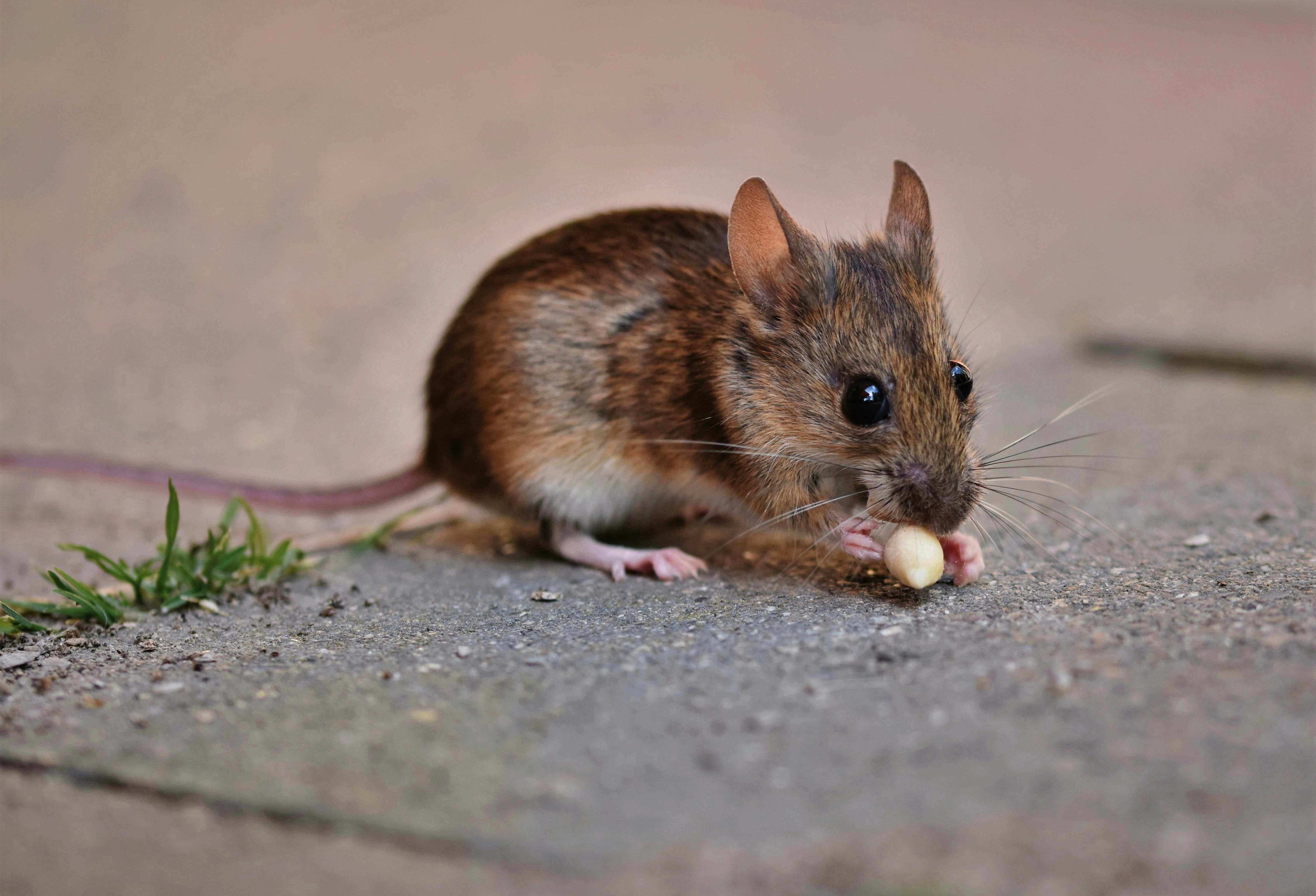
Roof rat removal in Irving Park
Greensboro's heritage canopy neighborhood
Irving Park has the highest concentration of roof rat attic work we do anywhere in Greensboro. The combination is unmistakable: pre-1940 estate construction, original soffit and gable systems that have been weathering for a century, and the most continuous mature oak canopy of any Greensboro neighborhood. Roof rats travel limb-to-limb and drop onto rooflines where branches make contact, and Irving Park's canopy provides that contact almost everywhere. Free attic and roofline inspection, heritage-friendly exclusion materials, written quote before any work begins.
Why Irving Park's rodent profile is almost entirely roof rats
Most Greensboro neighborhoods see a mix of Norway rat and roof rat work. Irving Park is the exception. The original 1911 plat was designed around estate-scale lots with significant tree retention, and a century of growth has produced a canopy density that supports roof rat populations year-round. Norway rats in Irving Park crawl spaces are rare; roof rats in attics are persistent.
The architectural pattern reinforces it. Irving Park's predominant housing โ Tudor revival, Colonial revival, English cottage, and large craftsman โ was built between roughly 1911 and the early 1940s, with construction methods that produced wood-framed gable vents, decorative soffit returns, and chimney flashing that were sound when installed and now show their age. These are exactly the entry points roof rats exploit, and they exist on essentially every original home in the neighborhood.
The maintenance question for an Irving Park homeowner is rarely "do we have a rodent problem"; it's "when did we last verify the roofline is sealed against roof rats, and what does the canopy look like overhead." A home with no current activity but unmaintained 80-year-old soffit returns and a limb resting on the roof is one season away from being an active infestation. We treat that distinction during inspection โ current activity gets one program, structural vulnerability without activity gets a different one.
Roofline access routes in Irving Park heritage homes
Original gable vents
Decorative wood-frame vents with century-old screen mesh โ corroded, torn, or pulled away from frames. Sealing requires custom-fitted hardware cloth that preserves the visible vent profile.
Soffit-fascia separation
Eave returns where decades of wood movement have opened gaps between soffit boards and fascia trim. Common at corner returns and where roof pitches change.
Limb-to-eave contact
The mature canopy delivers roof rats directly to roofline. Six feet of branch-to-roof clearance is the prevention standard; we document contact points for arborist coordination.
Chimney flashing
Original chimney flashing on Irving Park homes is typically copper or lead โ durable but the bedding mortar has often failed at intersections, creating gaps roof rats use to access attic from the roof surface.
Our four-phase Irving Park attic program
Attic, roofline, and canopy inspection
Interior attic walk-through, exterior roofline visual from ladder, canopy assessment for limb contact. Photographs of every confirmed and suspected entry point. Inventory of attic contamination scope.
Attic trap network deployment
Snap traps positioned along confirmed travel paths and at nesting site margins. Density adjusted to colony size estimated from droppings distribution. No sealing during active population.
Heritage-aware exclusion sealing
Custom-fitted mesh frames at gable vents preserving original sightlines. Soffit-return flashing in matched material. Chimney flashing reseal where warranted. Stainless mesh upgrade available for visible elements.
Verification visit and canopy report
Return 14โ21 days post-sealing for clearance confirmation. Written canopy contact report identifies which limbs warrant arborist work โ the long-term prevention layer specific to Irving Park homes.
Rodent problem in Irving Park? Call (844) 635-0403
Free inspection. Same-day dispatch available for active infestations. Written quote before any work starts.
Call (844) 635-0403Roof rat questions specific to Irving Park homes
How can I tell if I have roof rats versus squirrels in my Irving Park attic?
Squirrels are typically active during daylight hours and produce loud, definite movement โ the sound of an animal that can see and isn't trying to hide. Roof rats are nocturnal; activity peaks between 9pm and 3am and the sound is scratching, scurrying, and gnawing rather than thumps. Droppings tell you definitively: roof rat droppings are 1/2 inch, banana-shaped, pointed at the ends; squirrel droppings are similar in size but blunter and more pellet-shaped. We confirm species during inspection rather than guessing from sound alone.
Will sealing my Irving Park attic require visible modifications to the home?
We design heritage-aware sealing specifically to avoid visible modifications. Gable vents get hardware cloth fitted from behind so the original wood frame and visible mesh pattern stay unchanged. Soffit-return flashing matches the existing trim color and uses no-drill attachment where possible. Stainless mesh in visible locations replaces galvanized that would corrode and become visually obvious. Most clients can't identify our completed work from street level.
Is canopy trimming worth doing if it's expensive?
For Irving Park homes with mature canopy directly overhead, yes โ it's the single most effective long-term prevention measure. Tree removal isn't required; selective limb trimming to maintain six feet of clearance between any branch and any roofline element accomplishes the goal without altering the canopy's visual presence. Arborist cost for this scope at an Irving Park property typically runs $400โ$1,200 depending on tree count and access. The math against repeat infestations every few years works clearly in favor of doing it.
Do you work with Irving Park HOA architectural requirements?
Yes. The Irving Park neighborhood has documented preferences around visible exterior modifications, and our heritage-aware sealing approach is designed specifically to fit those preferences. For situations where homeowner association approval is required for any exterior work, we provide written specifications of materials and methods that can be submitted for review before the work begins. We've done this on multiple Irving Park projects without issues.
What does a complete Irving Park roof-rat program typically cost?
For a representative Irving Park home โ 2,500 to 4,000 square feet, moderate roofline complexity, mature canopy with documented contact โ total program cost runs $1,800 to $3,500. The range reflects roofline complexity, number of entry points to seal, attic cleanup scope, and material selection (galvanized vs stainless). Pre-purchase inspection alone for a buyer evaluating an Irving Park property is $175โ$275 and includes the same written report. We provide line-item quotes after inspection.