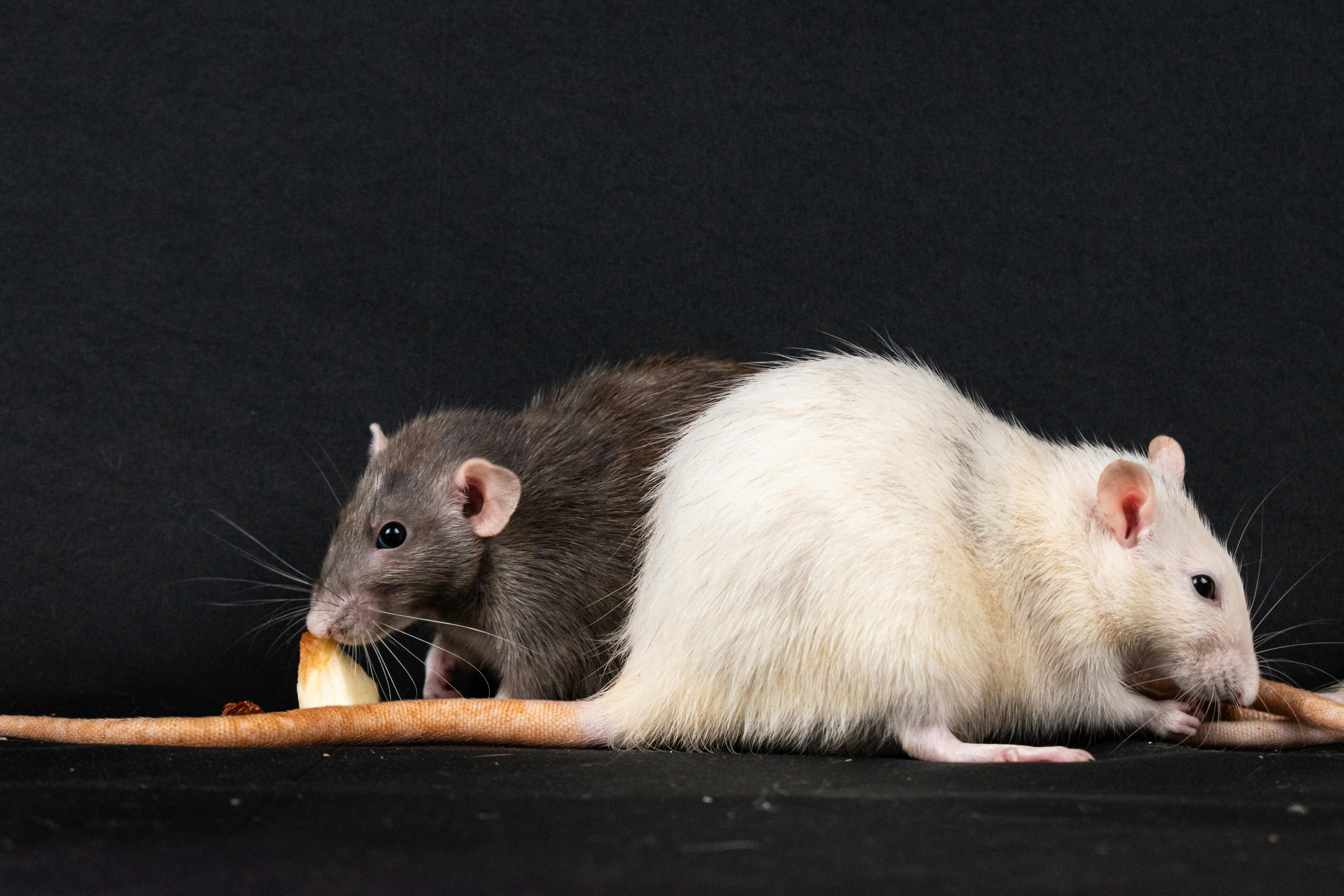
Insulation replacement after rodent damage in Greensboro, NC
Rodent-contaminated attic insulation that has been saturated with urine, compressed by nesting, or redistributed throughout the attic floor cannot be adequately remediated by cleanup alone. The contamination is inside the insulation body โ not addressable with surface treatment. Insulation replacement removes the contaminated material entirely, restores the attic to a clean substrate, and reinstalls new insulation to the correct R-value for Greensboro's climate zone โ typically R-38 to R-49 for Guilford County's mixed-humid climate.
How to assess whether your Greensboro attic insulation needs replacement
The assessment criteria we use during every attic inspection:
- Urine saturation depth: We probe the insulation at the highest-concentration areas. Surface saturation only (top 1โ2 inches dry below) โ cleanup sufficient. Saturation through multiple inches โ replacement warranted.
- Nesting integration: Nesting material integrated throughout the insulation layer rather than sitting on top โ replacement more efficient than trying to extract integrated debris while preserving insulation.
- Structural compression: Significant R-value reduction from compression and redistribution โ replacement restores thermal performance alongside hygiene.
- Odor persistence after cleanup: If attic cleanup has been completed and odor persists after enzymatic treatment โ the odor source is inside the insulation body and removal is the resolution.
When replacement is warranted, the sequence is: cleanup of the attic structure first (HEPA vacuum and antimicrobial treatment of all structural surfaces), then removal of contaminated insulation in sealed bags, then antimicrobial treatment of the now-exposed attic floor, then installation of new insulation to the specified R-value. Putting new insulation over contaminated old insulation without full removal is a common shortcut that perpetuates the odor and pathogen problem.
Rodent-damaged insulation in Greensboro? Call (844) 635-0403
Free attic assessment โ we evaluate contamination depth and coverage, provide a written recommendation on cleanup vs. replacement, and quote the full scope before any work starts.
Call (844) 635-0403Insulation replacement cost in Greensboro
Removal only
Contaminated insulation removal and disposal, antimicrobial treatment of exposed attic floor. New insulation quoted separately.
Removal + blown-in replacement
Full removal plus blown-in cellulose or fiberglass to R-38 or R-49. Price by attic square footage.
Removal + batt replacement
Full removal plus fiberglass batt reinstallation. Standard for accessible attics with clear joist bays.
All insulation replacement includes structural antimicrobial treatment before new insulation install. Free attic assessment before quoting.
Why Greensboro attics see more rodent insulation damage than other markets
Two factors compound for Guilford County attics. First, the climate โ humid subtropical, mild winters, no sustained freeze that suppresses rodent populations between fall and spring. Roof rats and Norway rats that find an attic in October can breed continuously through to the next October, producing four to six months of unchecked nesting, urine saturation, and droppings accumulation before homeowners typically notice. By the time treatment begins, the contamination has moved past surface level into the insulation body.
Second, the housing stock โ Greensboro's pre-1970 craftsman, bungalow, and ranch homes (concentrated in Irving Park, Fisher Park, Sunset Hills, Aycock, Latham Park, Westerwood, Lindley Park) were built with attic insulation specs well below current code. Many still have the original loose-fill cellulose or rock wool from installation, sometimes topped with a thin batt layer added in the 1990s. That older insulation is structurally weaker, more easily compressed by nesting, and absorbs urine more deeply than modern dense-pack cellulose or new fiberglass.
The practical implication: in this market, attic infestations that have been active 4+ months almost always cross the insulation-replacement threshold rather than stop at surface cleanup. We see this pattern repeat across Greensboro every fall and winter โ the attic that "just needed a quick cleanup" turns out to need full insulation removal once we get up there with a moisture meter.
Surface cleanup vs. full insulation replacement โ which is right for your attic
The honest answer isn't always "remove and replace." Surface cleanup alone is genuinely sufficient for a meaningful number of attics. Here's how we make the call during inspection:
Surface cleanup is sufficient when: contamination is limited to the top 1โ2 inches of insulation; activity duration was short (under 6 weeks); no urine saturation detected by moisture meter below the surface layer; insulation body is dry and structurally intact when probed; R-value still meets or exceeds code minimum after surface vacuum.
Replacement is warranted when: moisture meter detects elevated readings below the surface layer at multiple test points; nesting material is integrated throughout the insulation rather than sitting on top; insulation is visibly compressed across more than 30% of the attic floor; persistent odor remains after enzymatic treatment has had 48โ72 hours; R-value is below code minimum after compression and contamination.
We never recommend replacement unless one of those criteria is met. The written attic assessment we provide before quoting documents exactly which conditions were observed and which weren't โ so you can compare against any second opinion you want to get.
Insulation replacement FAQ
What R-value should Greensboro attic insulation be?
Guilford County falls in Climate Zone 4 under Department of Energy guidance. The recommended attic insulation R-value for Climate Zone 4 is R-38 to R-49, with R-49 appropriate for most new installations. Existing insulation that is clean and undamaged but below R-38 benefits from topping up with blown-in insulation over the existing layer. Contaminated insulation requires full removal before new installation.
Can I install new insulation over the rodent-contaminated old insulation?
No โ and this is the shortcut that produces persistent odor problems after attic remediation. New insulation installed over contaminated old insulation traps the odor source underneath and prolongs the timeline for odor resolution significantly. Complete contaminated-insulation removal, antimicrobial treatment of the exposed structural substrate, and then new insulation installation is the correct sequence.
How much does insulation replacement cost after rodent damage in Greensboro?
Removal only runs $800โ$2,000 depending on attic size. Removal plus blown-in replacement to R-38 or R-49 runs $2,500โ$6,000. Removal plus batt replacement runs $2,000โ$4,500. Free attic assessment before quoting.
Can rodent-damaged insulation be a homeowner's-insurance claim in Greensboro?
Sometimes. Most NC homeowner policies exclude "rodent infestation" as a maintenance issue, but if the rodent damage caused secondary damage that is covered โ say, a roof rat chewed an electrical wire that caused a short, or chewed a water line that caused a leak โ the resulting damage may be claimable. We've worked with adjusters on documentation a handful of times. We can provide a written assessment of the rodent-related damage scope for insurance documentation if that's useful, separately from the work quote.
How long does the attic cleanup and insulation replacement process take?
For a standard Greensboro home (1,200โ1,800 sq ft attic), the full sequence โ population clearance trapping, attic cleanup, insulation removal, antimicrobial treatment, and new insulation installation โ takes 3โ5 weeks end to end. The active work days inside the attic total 2โ3 days; the rest of the time is the trapping period that has to complete before sealing and replacement work can start. We schedule everything so the disruption to your household is concentrated rather than dragged out.
What happens to my home's energy bills after attic insulation replacement?
Most Greensboro homes with rodent-compressed insulation are operating well below their nominal R-value. After replacement to current code (R-38 minimum, R-49 typical for our market), heating and cooling costs typically drop 8โ15% โ though that varies with the home's overall envelope condition. The cost savings don't fully offset the replacement cost in the first year or two, but they're real and they compound across the life of the new insulation (30+ years for blown-in cellulose, 50+ for fiberglass batt installed correctly).