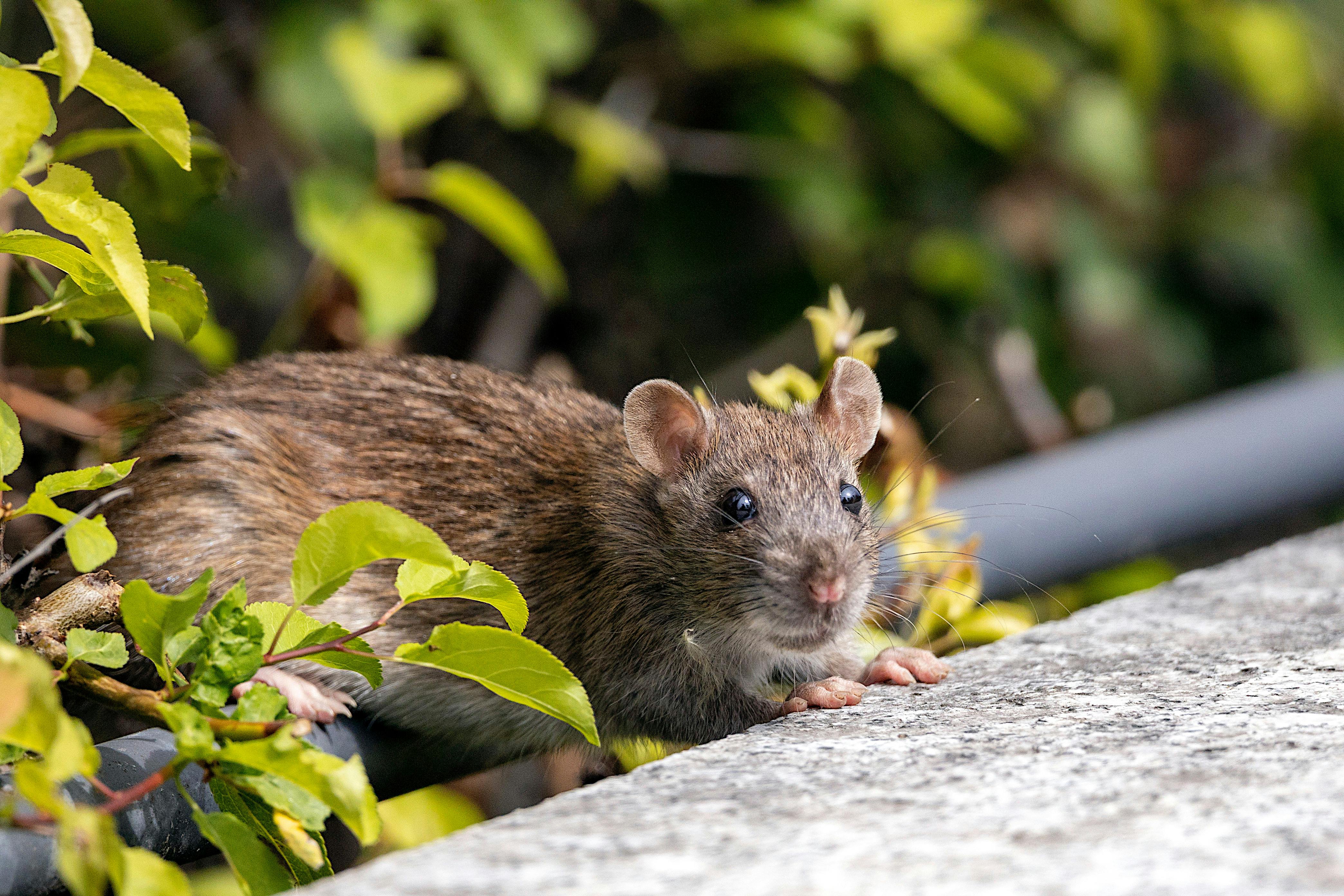
Rodent droppings cleanup in Greensboro, NC
Rodent droppings are a biohazard โ they carry pathogens including Hantavirus, leptospirosis, and salmonella that become aerosolized when droppings dry and are disturbed. Standard household cleaning equipment isn't appropriate for rodent dropping removal: sweep or vacuum without HEPA filtration and you push contaminated particles into the air you're breathing. We handle droppings cleanup with the right equipment, the right disinfection protocol, and respiratory protection throughout.
The aerosolization problem โ and how to clean safely
The CDC recommends ventilating the contaminated space for 30 minutes before entry, wearing gloves and a respirator rated N95 or higher, and using HEPA-filtered vacuum equipment for any significant rodent dropping accumulation. Diluted bleach solution (1 part bleach to 10 parts water) is recommended for surface disinfection of non-porous surfaces after HEPA vacuum removal. For porous materials like attic insulation that can't be disinfected effectively, removal and disposal is the appropriate protocol.
Our droppings cleanup protocol follows CDC rodent decontamination guidelines: ventilate first, HEPA-vacuum second, disinfect with antimicrobial solution third, treat residual odor with enzymatic deodorizer. For attics and crawl spaces with significant accumulation, we assess insulation for contamination and recommend replacement if the insulation layer is extensively soiled.
Kitchen and pantry
HEPA vacuum of all surfaces, followed by antimicrobial wipe-down of cabinet interiors, shelving, and any food-contact surfaces. Food items that may have been contaminated disposed of appropriately.
Attic
HEPA vacuum of insulation surface layer, assessment of insulation saturation level, antimicrobial treatment of accessible structural surfaces. Insulation replacement recommended if contamination exceeds surface layer.
Crawl space
HEPA vacuum of sub-floor surfaces, antimicrobial treatment of joists and accessible structural surfaces, assessment of vapor barrier condition and any standing water that may have been contaminated.
Garage and outbuildings
HEPA vacuum of all rodent-active areas, antimicrobial treatment of concrete slab and structural surfaces, enzymatic deodorizer for any persistent urine odor areas.
Rodent droppings in your Greensboro home? Call (844) 635-0403
Free assessment โ we evaluate the scope of cleanup needed and quote before any work starts. Safe, CDC-protocol removal for attics, crawl spaces, kitchens, and garages.
Call (844) 635-0403Droppings cleanup cost in Greensboro
Kitchen / cabinet
HEPA vacuum, antimicrobial wipe-down, and enzymatic deodorizer for kitchen and cabinet areas.
Crawl-space cleanup
Full crawl-space HEPA vacuum and antimicrobial treatment. Price by crawl-space size and accumulation level.
Attic cleanup
Attic HEPA vacuum, antimicrobial treatment, insulation assessment. Insulation replacement quoted separately if needed.
Insulation replacement if needed is quoted separately. Free scope assessment before quoting cleanup work.
What rodent droppings actually contain โ and why the cleanup method matters
Rodent droppings, urine, and saliva carry specific pathogens that the CDC tracks and that meaningfully change how cleanup should be approached. The most concerning in North Carolina:
Hantavirus โ primarily shed in deer mouse urine, droppings, and saliva. Most relevant in rural Guilford County (Browns Summit, Pleasant Garden, McLeansville) and suburban-rural-edge properties where deer mice are the dominant species. Aerosolized particles from disturbed dry droppings are the transmission route, which is why CDC protocol specifies ventilating 30 minutes before entry and using HEPA filtration rather than standard vacuum equipment.
Salmonella and leptospirosis โ present in both Norway rat and house mouse droppings, transmitted by surface contact. More common in urban Greensboro food-service contamination and kitchen-cabinet infestations than in attic spaces. Antimicrobial surface treatment after physical removal addresses these effectively.
Lymphocytic choriomeningitis โ house mouse-specific, transmitted by exposure to fresh urine, saliva, or nest material. Most common pathway in homes where house mice have been active in living areas โ under kitchen sinks, in pantries, behind appliances.
The pathogen profile differs by where the droppings are and which species deposited them. Our protocol adjusts accordingly โ attic deer-mouse cleanup uses different ventilation and PPE than kitchen-cabinet house-mouse cleanup. We're not running a one-size-fits-all decontamination.
Cleanup scope varies dramatically by where droppings are found
A homeowner who finds droppings in a single kitchen cabinet and a homeowner who finds attic-wide droppings accumulation are looking at very different cleanup scopes โ even though both correctly require professional decontamination.
Limited kitchen / pantry exposure: single cabinet, small accumulation, recent activity. HEPA vacuum of the affected cabinet interior plus adjacent surfaces, antimicrobial wipe-down of any food-contact surfaces, disposal of contaminated food packaging. Typical scope: 1โ2 hours, $150โ$250.
Multi-room interior exposure: droppings in kitchen plus adjacent dining area or laundry, suggesting house mouse travel paths through the home. HEPA vacuum across all affected rooms, antimicrobial spray-down of baseboards and lower wall surfaces, behind-appliance access where rodents may have nested. Typical scope: 3โ5 hours, $300โ$500.
Crawl space contamination: Norway rat activity in sub-floor area. HEPA vacuum of vapor barrier and accessible structural surfaces, antimicrobial treatment of joists, assessment of any standing water that may have been contaminated. Typical scope: 4โ6 hours, $400โ$700.
Attic-wide contamination: roof rat colony activity for multiple months. The five-phase protocol described above. Typical scope: 6โ10 hours, $500โ$1,200. May require insulation replacement on top โ assessed separately.
Droppings cleanup FAQ
Is rodent dropping cleanup dangerous to do myself?
Yes, if done without proper equipment. Dry rodent droppings release Hantavirus-contaminated particles when disturbed โ standard vacuums recirculate those particles. HEPA filtration, N95 respirator, and gloves are the minimum personal protection. For small, isolated accumulations in a ventilated space, careful DIY cleanup with proper PPE is feasible. For attic or crawl-space accumulations from an established infestation, professional cleanup with HEPA equipment is the appropriate standard.
How do I know if my Greensboro attic needs insulation replacement after a rodent infestation?
Insulation replacement is warranted when the contamination goes beyond the surface layer โ saturation with rodent urine that has penetrated into the insulation body, nesting material integrated throughout the insulation, or significant droppings accumulation that can't be effectively HEPA-vacuumed without removing the insulation. We assess the insulation layer during every attic cleanup visit and provide a written recommendation on whether surface cleanup is sufficient or replacement is needed.
How much does rodent droppings cleanup cost in Greensboro?
Kitchen and cabinet cleanup runs $150โ$350. Crawl-space cleanup runs $300โ$700 depending on size and accumulation level. Attic cleanup runs $400โ$900. Insulation replacement, if needed, is quoted separately. Free scope assessment before quoting.
I found a few droppings under my sink โ does that really need professional cleanup?
For a genuinely limited situation โ handful of fresh droppings in a single contained area, no food contamination, no signs of ongoing activity โ careful DIY cleanup with proper PPE (N95 respirator, gloves, ventilation) and bleach-water solution (1:10 dilution) is reasonable. The professional cleanup standard becomes appropriate when the accumulation is more than incidental, when it's spread across multiple areas, when you're not sure how long it's been there, when you don't have proper respiratory protection, or when you'd rather not handle it yourself. We're honest about the threshold โ we won't oversell cleanup work on a contained situation.
Will rodent cleanup eliminate the smell from my Greensboro home?
For most cases, yes โ enzymatic deodorizer treatment after physical cleanup degrades the compounds responsible for the persistent ammonia-like odor. For heavy infestations where urine has saturated porous materials (insulation, sub-floor wood, sheetrock), surface treatment can only address the surface โ the source inside the material continues to off-gas. We assess for that during inspection and tell you up front whether full odor resolution is realistic with cleanup alone or whether material removal will be needed.
Can I stay in my Greensboro home during the cleanup work?
For kitchen, crawl-space, and most cleanup scopes โ yes, you can be home, you just shouldn't be in the immediate work area while HEPA vacuuming or antimicrobial spraying is happening. We schedule around your availability. For attic cleanup, we typically ask that the household stay out of the rooms directly below the attic for the active vacuum hours. For families with infants, immunocompromised members, or pregnant household members, we recommend being out of the house for the active work and re-entering after surfaces have dried โ the antimicrobial we use is rated safe for re-entry after dry, but extra caution is reasonable for vulnerable household members.