Rodent control in Pleasant Garden

Semi-rural SE Greensboro edge

Pleasant Garden sits at southeastern Greensboro's rural-suburban transition, with semi-rural property characteristics on most lots โ€” larger property sizes, outbuildings common, agricultural-adjacent surroundings. The rodent profile reflects this rural-edge character: more field mouse and Norway rat activity from agricultural-adjacent sources, less roof rat work, and a focus on outbuilding and perimeter management as well as main residence work.

Rural-edge workOutbuilding serviceField mouse expertiseFree inspection
Licensed in North CarolinaLocally Owned ยท Greensboro Norway Rat & Field Mouse Specialists ยท Licensed in NC ยท Open 24/7
What rural-edge means for rodent dynamics

Why Pleasant Garden's transitional setting creates specific rodent patterns

Pleasant Garden's character is rural-suburban transition. Properties typically have larger lots than interior Greensboro neighborhoods, often include outbuildings (sheds, detached garages, occasionally barn structures), and back onto agricultural land, wooded buffer, or large undeveloped tracts. This produces rodent dynamics that differ from purely urban Greensboro work.

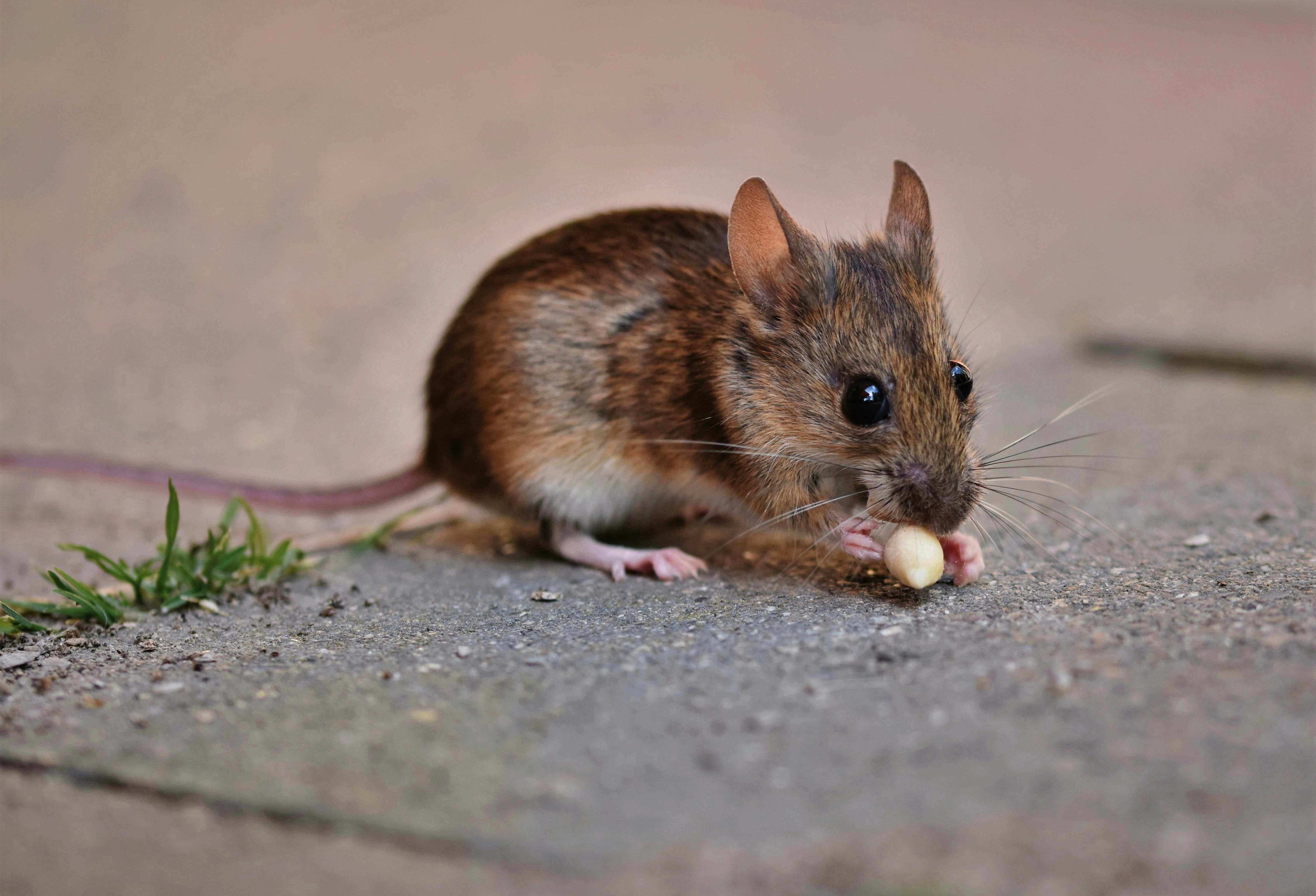
The species mix is different. Field mice โ€” deer mice and meadow voles โ€” that don't typically appear in urban Greensboro residential work are more common here, tied to the agricultural-adjacent and field-edge surroundings. Norway rats are present, often tied to outbuilding harborage rather than main residence foundations directly. Roof rat work is rarer; canopy is variable and not the primary delivery mechanism.

Programs typically address main residence plus outbuildings as a system. Treating only the main house leaves outbuilding-based source populations intact; outbuildings act as breeding sites that continuously supply migration to the main residence. Comprehensive Pleasant Garden work covers both elements.

Pleasant Garden entry patterns

How rodents access Pleasant Garden properties

Outbuilding establishment

Sheds, detached garages, and similar structures with less-maintained envelopes serve as primary rodent establishment sites on Pleasant Garden properties.

Foundation perimeter at field edges

Properties bordering fields or agricultural land see sustained ground-level pressure from field mouse and Norway rat populations.

Main residence migration routes

Once established in outbuildings, rodents migrate to main residences through landscaping cover, shared utility lines, or simple ground travel.

Garage and entry threshold

Standard rural-property garage door seal and side-door threshold wear, providing direct access to garage space.

Pleasant Garden program

How rural-edge property programs work in Pleasant Garden

1

Property-system inspection

Inspection covers main residence plus all outbuildings on the property. Field-edge exposures noted. Migration routes between structures identified.

2

Multi-structure trap deployment

Trap network deployed in outbuildings (often the heavier-pressure location) and main residence. Exterior bait stations at field-facing perimeter exposures.

3

System-wide exclusion

Sealing addresses both main residence and outbuildings. Less practical to fully exclude outbuildings sometimes; alternative is ongoing monitoring at outbuildings combined with comprehensive main-residence exclusion.

4

Ongoing-pressure recommendations

Pleasant Garden properties typically benefit from quarterly perimeter monitoring given sustained field-edge pressure. Recommendations documented for property file.

Rodent problem in Pleasant Garden? Call (844) 635-0403

Free inspection. Same-day dispatch available for active infestations. Written quote before any work starts.

Call (844) 635-0403
Pleasant Garden rural questions

Honest answers about rural-edge rodent realities

Is field mouse pressure really different from house mouse for Pleasant Garden treatment?

Treatment methods are similar โ€” snap traps, exclusion sealing, sanitation โ€” but the source dynamic differs meaningfully. Field mice originate from field and brush edges and re-supply continuously as long as adjacent populations exist. House mouse situations in urban settings often resolve once the structural entry is sealed because the source population is limited; field mouse situations require ongoing perimeter awareness because the source is essentially unlimited.

Can I keep my detached garage or outbuilding rodent-free at Pleasant Garden?

Difficult to keep fully rodent-free; more practical to manage to acceptable levels. Outbuildings on Pleasant Garden rural properties function more like the field environment than like the main residence โ€” sustained low-level rodent presence is the realistic baseline. The goal is preventing outbuildings from becoming source populations for main residence migration. Bait stations and structural sealing accomplish this.

Are bait stations really necessary at Pleasant Garden properties?

For most properties with sustained field-edge pressure, yes. Quarterly maintenance of exterior bait stations reduces baseline population pressure before it reaches structures. Annual maintenance cost runs $200โ€“$400. The alternative is repeated structural treatment as populations cycle in; bait station programs are typically less expensive long-term.

Do you serve all of southeast Greensboro's rural-edge area or just Pleasant Garden specifically?

We serve the full rural-edge zone โ€” Pleasant Garden, parts of southeast and southern Greensboro extending toward Randolph County, and rural-character properties in similar settings. The work approach is consistent across these areas.

What's typical cost for Pleasant Garden rural-edge programs?

Main residence-plus-outbuilding programs $1,200โ€“$2,200. Properties with significant outbuilding inventory or large perimeter $1,800โ€“$3,000. Ongoing perimeter monitoring add $200โ€“$400/year. Free inspection produces specific quotes.

Call (844) 635-0403